🕒 8 min read
Choosing the best AI shopping assistant in 2026 means comparing more than chatbot features. You need to know how each platform handles product recommendations, pricing, payment flows, and real revenue attribution. Below, we test five leading AI shopping assistants for ecommerce side by side on the features that actually move the needle.
AI shopping assistants have become a core AI tool for every online shop. These AI-powered systems act like digital sales experts, helping shoppers search, discover products, get real-time recommendations, and check out instantly. While platforms like Gorgias, Dynamic Yield, iAdvize, and Bloomreach are still rolling out beta features, Alhena AI is already an agentic AI assistant built for real ecommerce needs, delivering speed, personalization, and true AI power across the entire shop journey.
In this guide, we break down how today’s best AI shopping assistants work, who’s leading, and how they’re boosting sales, customer satisfaction for modern ecommerce companies.
TL;DR
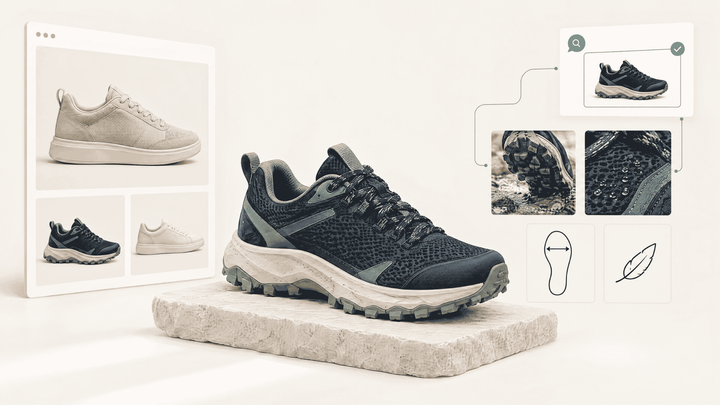
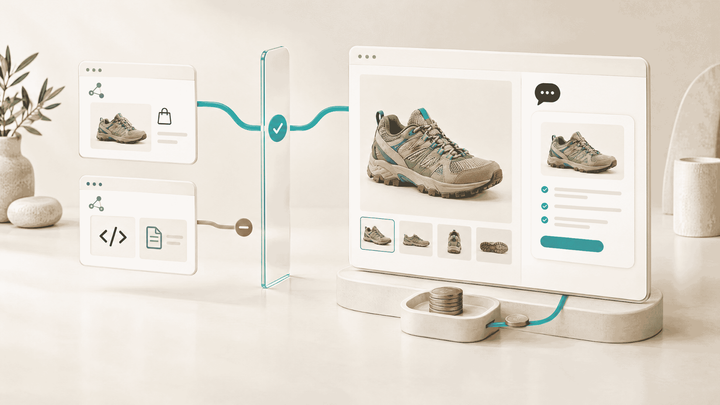
AI shopping assistants help shoppers discover, decide, and buy using AI-powered recommendations, natural language search, and personalized guidance. Tools vary, but Alhena AI is the leading AI assistant for retailers who want an AI-native, commerce-ready solution that boosts conversions, AOV, and customer satisfaction. It now also ships as Embeddable Agents, placing that assistant directly on the product page.
What Is an AI Shopping Assistant?
An AI shopping assistant is a digital sales expert, far more advanced than old chatbots. Instead of answering scripted FAQs, it uses agentic reasoning, AI-powered search, and real-time recommendation logic to guide shoppers from browse to buy inside one seamless conversation.
Why Implementing AI Shopping Assistants Matters?
Across e-commerce, the real competitive edge is now speed, personalization, and predictive understanding. using shopping AI assistants deliver exactly that through:
- Conversational search that understands vague or broad queries like “summer shoes for Italy”
- In-chat commerce that lets users browse, bundle, and buy all within the conversation
- Smart FAQs that evolve with shopper behavior, making support feel less like a script and more like a service
- AI-powered nudges and contextual promotions that increase order value at just the right moment
- Session-based recommendations based on what shoppers are browsing or adding to their cart right now
- Instant checkout inside chat to remove friction and reduce drop-offs
- Site personalization that changes content and offers based on real-time intent
- Voice-enabled shopping for hands-free convenience on mobile or smart devices
- Product boosts surface strategic or trending items in the conversation
What Are the Two Types of AI Shopping Assistants?
AI shopping assistants fall into two categories: consumer-facing AI assistants and brand-embedded AI shoppers. Knowing the difference helps you pick the right tool for your store.
Consumer-Facing AI Assistants
These are general-purpose tools like ChatGPT, Gemini, and Perplexity. Shoppers use them to browse across many stores, compare products, and gather inspiration. They're great at broad Q&A and discovery, but they don't connect to your live catalog, inventory, or checkout flow. That means they can't add items to a cart, apply your promotions, or measure revenue for your brand.
Brand-Embedded AI Shoppers
Brand-embedded AI shoppers live inside your store. They pull real-time data from your product catalog, promotions, and order systems. Alhena AI is a prime example: it reads live inventory, runs agentic checkout that populates carts and pre-fills payment, applies discounts in chat, and tracks revenue per conversation. Tatcha saw 3x conversion rates and 11.4% of total site revenue from Alhena's embedded AI (Tatcha case study).
Which Type Should You Choose?
Ask yourself two questions. First: Does the assistant connect natively to your commerce platform and live catalog? Second: can it drive measurable revenue through cart adds, checkout, and attribution? If both answers are yes, you need a brand-embedded AI shopper. If you're looking for open-web research and inspiration across retailers, consumer-facing assistants fill that role.
Feature-by-Feature: What Sets These Platforms Apart
The world of AI shopping assistants is buzzing. Here’s how key players compare on features vital for e-commerce companies, from instant personalization and smart use of customer data to boosting sales, improving customer engagement, and expanding the customer base.
Real-Time Product Discovery & Recommendations
Alhena goes beyond keywords; it understands what shoppers mean, even if they’re vague. It asks smart follow-up questions, taps live product data, and brings up the best-fit items right inside the chat. Shoppers can clarify, compare, bundle, and buy without jumping from page to page.
Dynamic Yield (Shopping Muse) does well with visual and style-based discovery. Shoppers can search with phrases like “cottagecore dress” or upload a photo to find similar items. It’s helpful for inspiration, though the final checkout often still happens back on the main site.
Gorgias shines at quick product suggestions inside support, like upsells or swaps during a ticket, but it’s not built for open-ended browsing.
iAdvize Copilot can proactively ask what a shopper wants and suggest 1–3 matches. Good for basic recs and quick answers, but complex discovery often goes to a human.
Bloomreach Clarity is excellent at conversational search and autosuggest. It rescues vague or failed searches by clarifying in real time, but the deeper flow usually hands off to the main site experience.
Review Summaries and Social Proof
Shoppers facing dozens of options often stall. AI shopping assistants solve this by summarizing thousands of customer reviews into quick pros-and-cons snapshots, so buyers get the key takeaways without scrolling through pages of feedback.
Alhena's Product Review Search ingests review data from sources like Yotpo and on-site reviews, then surfaces relevant quotes, ratings, and themes inside the chat. A shopper can ask, "Do customers with sensitive skin like this moisturizer?" and get a filtered summary with real review excerpts in seconds.
- Pros/cons summaries: Aggregate review themes into short, scannable takeaways per product.
- Filtered review search: Search by keyword, rating, or customer attribute (skin type, size, durability) and surface matching quotes.
- Decision-ready signals: Turn passive reviews into active selling signals. Common compliments become evidence for a recommendation; recurring complaints trigger alternative suggestions.
For a deeper look at how this works, see our guide on how Alhena turns product reviews into live shopping intelligence.
Conversational AI, Search & Commerce
Alhena: Combines real conversational AI, semantic search, and seamless in-chat commerce. It understands vague queries, asks clarifying questions, shows relevant products instantly, and lets shoppers buy inside the same conversation no dead ends.
Dynamic Yield: Excellent at conversational search plus image upload, but its focus leans more toward recommendations than full purchase flow inside chat.
Gorgias: Great for conversational help and simple upsells in a support flow, but it’s still more of a ticket resolver than a true commerce co-pilot.
iAdvize: Natural dialogue with proactive engagement is strong, but shoppers often need a handoff to a human for anything complex.
Bloomreach Clarity: Outstanding for conversational search in the search bar and autosuggest. Strong for narrowing options, but transactions usually kick back to the site.
Smart Bundles & Smart FAQs
Alhena: Auto-creates bundles based on real cart and catalog logic, not generic “people also bought.” Automates routine tasks such as answering FAQs and supports inventory management by providing real-time product availability. Handles detailed FAQs live in chat: shipping, specs, and returns are done without opening a new page.
Dynamic Yield: Good at styling bundles and cross-sells tied to user context. FAQs still rely on wider site content.
Gorgias: Excellent FAQ handling for support tickets. Bundles exist, but are often tied to manual promotions.
iAdvize: Handles basic FAQs well and suggests 1–3 relevant products, but not deeply dynamic bundles.
Bloomreach: Strong on product data depth, but bundles are more manual. FAQs mostly tie back to help docs.
Smart AI Nudges
Alhena: Proactive, behavior-based nudges when a shopper hesitates. “Still thinking? Here’s 10% off if you check out now.” These smart nudges help boost overall sales and save time by encouraging hesitant customers to complete their purchases.
Dynamic Yield: Good for personalized recommendations and upsell widgets, less focused on real-time, in-chat nudging.
Gorgias: Uses smart discounts during support or cart support. Nudging is tied to intent-based tickets, not always site-wide.
iAdvize: Conversation starters pop up contextually helpful, but more for starting the chat than nudging during checkout.
Bloomreach: Great for autosuggest and PDP triggers, less for mid-conversation nudging to close the sale.
Voice AI for Customer Interactions
Alhena: Ready for voice shoppers can ask, “Show me bestsellers under $50” or “Track my order” hands-free.
Dynamic Yield: Primarily chat and search. No native voice capability highlighted.
Gorgias: No dedicated voice shopping flow.
iAdvize: Multilingual, but no mainstream voice AI yet.
Bloomreach: Focuses on text-based conversational search.
Omnichannel Deployment: Web, SMS, Social DMs, and Email
A strong AI shopping assistant should live where your customers already message, not just on your website. The best platforms extend the same product discovery, recommendations, and cart actions across web chat, email, Instagram DMs, WhatsApp, and SMS.
Alhena's Social Commerce module runs the same intent-driven search, guided buying flows, and in-chat checkout across messaging channels. Conversations continue across touchpoints (web to Instagram DM to WhatsApp) without losing context, and behavior-based nudges work wherever the channel supports them.
A practical note: channel capabilities differ. Rich carousels and quick-reply buttons work on WhatsApp and Instagram; SMS is more text-forward and uses links instead of interactive widgets. During evaluation, confirm whether each vendor supports full discovery, cart actions, and promo delivery in your target channels.
For a complete breakdown of channel-specific setup, read our omnichannel AI setup guide or explore Instagram DM automation for ecommerce.
Site Personalization & Context Awareness
Alhena: Adapts suggestions, nudges, and promotions live based on cart contents, past purchases, and browsing behavior, even changes conversation tone to match. Its personalization features are designed with data privacy in mind, ensuring customer information is handled securely.
Dynamic Yield: Strong on personalization, its core DNA. Context-aware styling and recommendations are excellent.
Gorgias: Context from past tickets helps, but it is more support-focused than site personalization.
iAdvize: Basic personalization based on product criteria and FAQ context.
Bloomreach: Big on dynamic search results and category re-ranking, excellent for content and search personalization.
Product Boost & Revenue Potential
Alhena: Built for sales lift, brands use it to push trending SKUs, boost bundles, and raise AOV with smart cross-sells, all directly in the conversational commerce context.
Dynamic Yield: Strong merchandising tools for product boost, but often site widgets, not conversational.
Gorgias: Leverages upsells in support of great retention plays, but is less about real-time boost campaigns.
iAdvize: Can highlight bestsellers and push relevant stock, but leans more on Q&A flow.
Bloomreach: Uses smart search rules to lift strategic SKUs but focuses on search result pages, not full conversation flow.
Revenue-Driven Conversational Commerce, Not Just Chat
This is where the real difference shows. Alhena isn’t just about quick answers or basic support; it’s designed to help turn conversations into conversions. Every feature, from smart nudges to real-time bundles, works together to help raise average order value and move products naturally, without feeling pushy.
Agentic Commerce: From Recommendation to Autonomous Execution
The most advanced AI shopping assistants go beyond suggesting products. They act on the shopper's behalf: browsing catalogs, comparing options against the buyer's criteria, building carts, and completing checkout after the shopper approves. This pattern, called agentic commerce, is the next step in conversational commerce.
In practice: a shopper says, "Find noise-cancelling headphones under $300 with free returns." The assistant searches the catalog, filters by price and return policy, presents the top matches, and then builds the cart and completes checkout with a single confirmation. All payments use tokenized flows, so the agent never sees raw card data.
Alhena supports agentic execution with explicit shopper approval at every step. Combined with its Shopify and WooCommerce integrations, this means the AI can compare products across your full catalog, apply promotions, and finalize purchases, all inside the conversation. Industry protocols like the Agentic Commerce Protocol and Google's Universal Commerce Protocol are standardizing these flows across merchant feeds.
Pricing & Commercial Models for AI Shopping Assistants
Understanding how AI shopping assistants are priced is critical for calculating ROI and choosing the right vendor. The five platforms compared in this guide use different billing models, each with different implications for budgeting and scalability.
|
Platform |
Billing Model |
Published Pricing |
Key Notes |
|
Alhena AI |
Pay-per-conversation + Freemium |
Free plan: 50 conversations/mo. Pro: from $239/mo (~$1.00–$1.50 per conversation). Enterprise: custom pricing. |
Full-lifecycle: discovery, support, and upsell in one platform. ROI calculator on alhena.ai/pricing. |
|
Gorgias AI |
Hybrid: ticket-based helpdesk + per-resolution AI |
Helpdesk: $10/mo (50 tickets) to $900/mo (5,000 tickets). AI Agent add-on: $0.90 per resolved conversation. |
Each AI resolution also counts as a billable ticket. Optimized for Shopify stores. |
|
iAdvize |
Subscription |
Starting from $290/mo (per GetApp). 5 pricing tiers available. Free trial offered. |
Copilot for Shoppers + Copilot for Agents. Enterprise pricing available on request. |
|
Dynamic Yield (Mastercard) |
Enterprise subscription |
Starting from ~$35,000/year (per GetApp). Custom pricing based on traffic and features. |
Full personalization platform (not just chat). Includes A/B testing, recommendations, Shopping Muse. No public self-serve pricing. |
|
Bloomreach |
Enterprise subscription (custom) |
No publicly listed pricing. Contact sales for quotes. Available on AWS Marketplace. |
Suite includes Discovery (search), Engagement (marketing automation), Clarity (conversational AI). Priced by modules and usage volume. |
Check out the pricing details and the ROI Calculator.
How Pricing Maps to Key KPIs
When evaluating these five platforms, normalize pricing to a cost-per-automated-resolution or cost-per-conversation metric. This allows fair comparison across different billing structures.
For instance, Alhena AI’s cost-per-conversation ranges from $1.00–$1.50 but covers the full lifecycle (discovery + support + upsell), while Gorgias charges $0.90 per AI-resolved conversation for support only, with the helpdesk plan billed separately. Dynamic Yield and Bloomreach are priced as enterprise personalization platforms rather than per-conversation tools, making direct unit-cost comparison less applicable - evaluate them on revenue-per-visitor uplift instead. Key KPIs to track:
- Cost per automated resolution: Total monthly AI spend divided by tickets resolved without human intervention. Relevant for Alhena AI ($1.00–$1.50/conversation) and Gorgias ($0.90/resolution + helpdesk base).
- ROI on ticket deflection: Compare AI resolution cost against average human-handled ticket cost. Gorgias benchmarks human tickets at approximately $3.10 each; your actual cost varies by team size, channel, and complexity.
- Revenue per conversation / Revenue per visitor: For platforms focused on conversion (Alhena AI, Dynamic Yield, Bloomreach, iAdvize), track incremental revenue generated per AI-assisted session. Bloomreach reports up to 39.8% higher Revenue per Visit from conversational shopping (TFG case study).
Upsell-in-Chat Monetization
A growing trend in 2026 is the ability for AI shopping assistants to generate revenue directly within support conversations. Rather than simply resolving queries, advanced assistants like Alhena AI can detect purchase intent during a support chat and surface contextual product recommendations, promotional offers, or complementary items. This transforms customer service from a cost center into a revenue channel. When evaluating vendors, ask whether the assistant supports in-chat product recommendations, cart additions during conversations, and dynamic coupon or promotion delivery based on the customer’s context.
Real-World Use Cases: AI Shopping Assistants at Work
It’s one thing to talk about features, but what happens when AI shopping assistants go live? For travel brand Manawa and UK gardening retailer Crocus, the results speak for themselves.
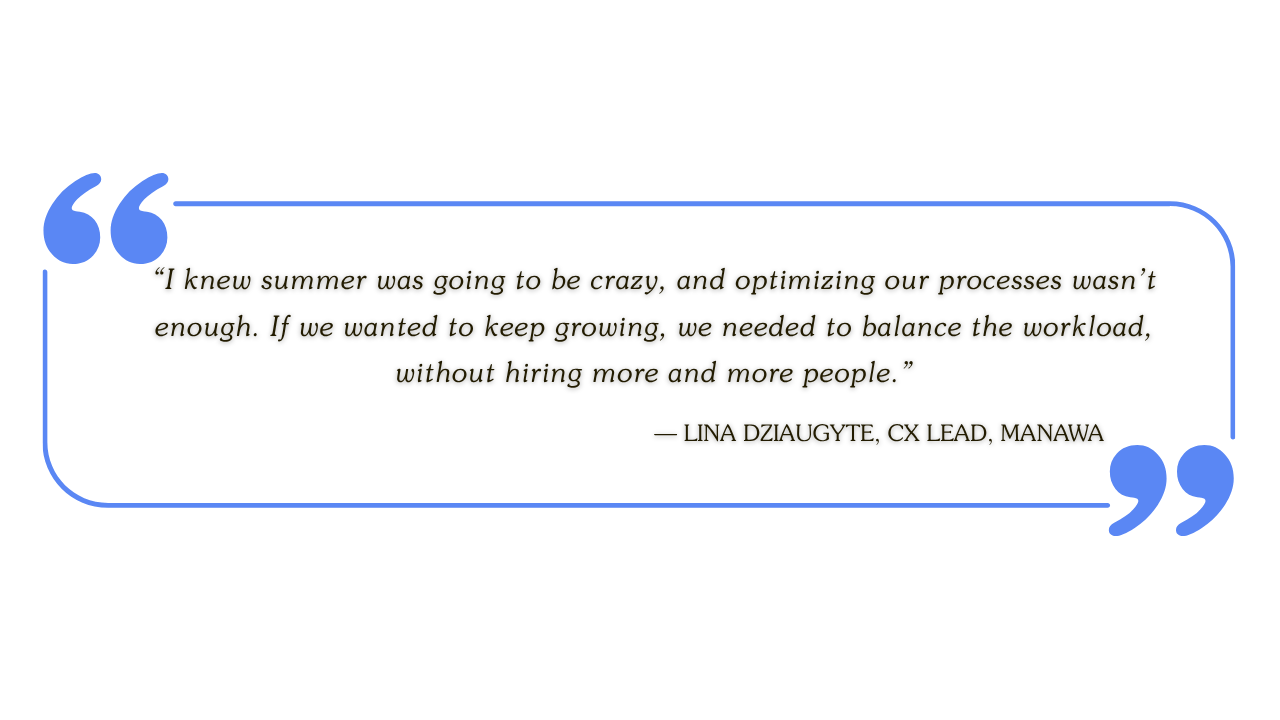
Manawa, which runs adventure tours across Europe, used to brace for summer with huge spikes in simple, repetitive questions. Hiring more staff every season just to keep up wasn’t sustainable.
Meanwhile, Crocus, the UK’s leading online gardening retailer, faces seasonal spikes too, when spring hits, care questions triple overnight. Their team needed an AI that could handle detailed plant advice without losing the human feel.
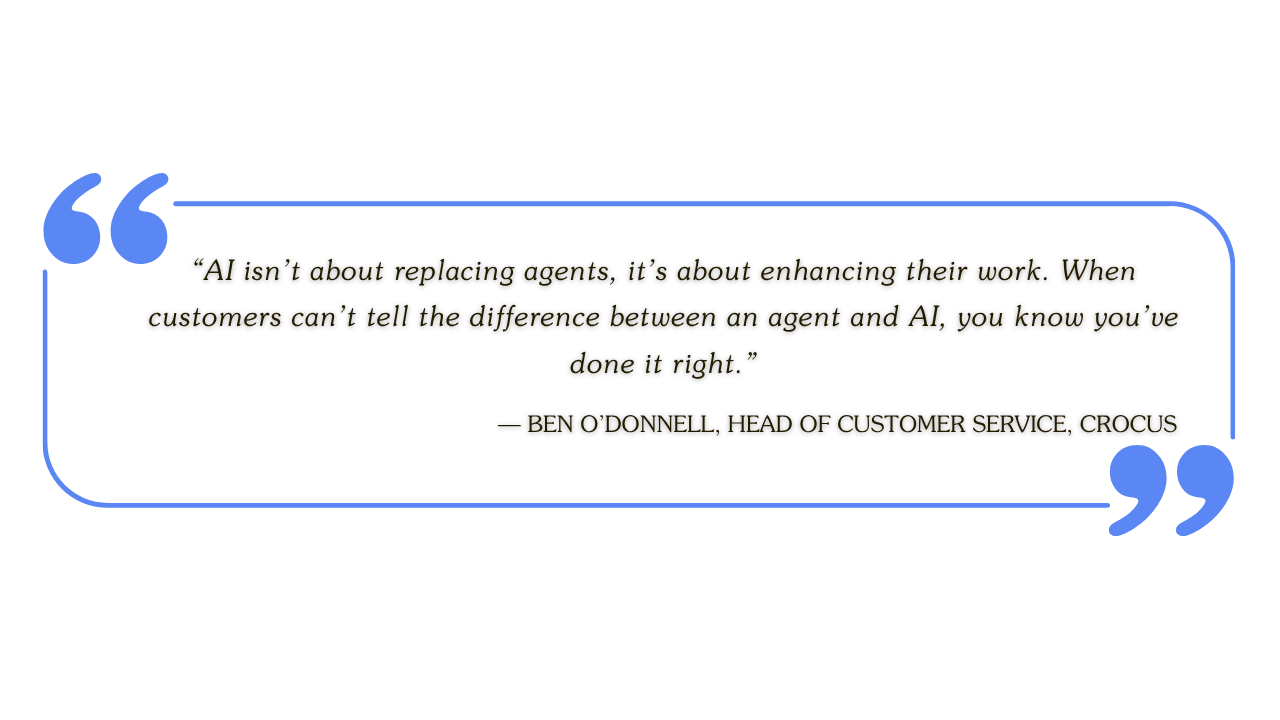
By training Alhena on plant care guides and integrating it with Freshdesk, Crocus deflects 86% of common tickets, cuts seasonal hiring costs, and keeps CSAT steady at 84%, even at peak times.

From outdoor adventures to garden questions, smart AI shopping assistants help brands handle surges in website visitors, reduce repetitive tasks, and keep the human team focused on what drives revenue, without losing the personal touch.
Curious how brands like Manawa and Crocus made it work? See more real customer stories here.
How Does Alhena Compare to ChatGPT, Gemini, and Perplexity for Shopping?
General-purpose LLMs like ChatGPT (300M+ weekly users), Google Gemini, and Perplexity are powerful conversational engines. Shoppers increasingly use them to research products, compare prices, and discover brands. But ecommerce operations need more than fluent language.
Catalog Accuracy vs Conversational Plausibility
Large public models can suggest products that sound right but don't exist in your catalog. They pull from training data, not your live SKUs. Alhena's Product Expert Agent is grounded in your verified product data, meaning it only recommends items that are actually in stock, at the correct price, with accurate attributes. Zero hallucinations on product info.
In-Chat Commerce vs Discovery Only
ChatGPT and Perplexity can describe products and link to stores, but they can't add items to your cart, apply a 15% promo code, or pre-fill checkout. Alhena's agentic checkout handles all of that inside the conversation. Victoria Beckham saw a 20% AOV increase with in-chat commerce (case study).
Revenue Attribution vs No Measurement
Public LLMs don't track conversion rates, AOV uplift, or revenue per conversation. You can't measure what a ChatGPT session contributed to your sales. Alhena includes built-in revenue attribution analytics so you know the exact dollar value each AI conversation generates.
Integration and Data Privacy
General models need custom connectors to access your commerce systems and often send queries through third-party APIs. Alhena connects natively to Shopify, WooCommerce, Magento, and Salesforce Commerce Cloud with data isolation at the database layer, so your catalog and customer data stay within your controlled environment.
When to Use Each
Pick general-purpose LLMs when you need open-web product research, content generation, or internal tooling where live catalog accuracy isn't critical.
Pick a brand-embedded AI like Alhena when you need production-grade shopping experiences with live catalog accuracy, agentic checkout, promotional logic, and revenue attribution, all without heavy engineering work.
What Happens After the Sale? Post-Purchase AI Capabilities
A strong AI shopping assistant doesn't stop at checkout. Post-purchase automation is where brands retain customers and reduce support costs. Alhena's Support Concierge handles the full post-purchase cycle:
- Order tracking: Customers get real-time shipping updates pulled from integrations with ShipStation and Narvar, no agent needed.
- Returns and exchanges: The AI checks return eligibility, generates labels, and processes refunds or exchanges automatically. Puffy achieved 63% automated inquiry resolution with this workflow (Puffy case study).
- Replenishment reminders: For consumables like skincare or supplements, the AI can suggest reorders based on purchase timing and product usage cycles.
- Complementary product suggestions: During a return or tracking check, the AI can recommend related items, turning a support interaction into a sales moment.
Brands using Alhena for post-purchase support cut agent ticket volume by up to 70% in the first month while keeping 90% CSAT scores.
How Account Memory Powers Personalized Shopping Over Time
Alhena uses a unified memory architecture that remembers each customer across sessions and channels. Every interaction, whether on web chat, email, Instagram, or WhatsApp, feeds into a persistent customer profile tied to a unique identity (email or user ID).
On a return visit, the AI already knows your skin type, your preferred shipping method, your past orders, and the issue you reported last month. It uses this context to personalize recommendations, skip repetitive questions, and surface relevant products faster.
The memory system extracts facts from conversations using a structured 5W1H schema (who, what, when, where, why, how) and supports ADD, UPDATE, and DELETE operations so records stay accurate over time. Every memory entry is auditable, with full lineage tracking back to the exact conversation that introduced it.
For retailers, this means your AI shopping assistant gets smarter with each customer interaction, without relying on third-party cookies or external data brokers.
Conclusion
If you’re a modern online retailer serious about conversions, now is the time to move beyond chatbots and embrace Agentic AI. Because the next wave of commerce isn’t just AI-powered, it’s AI-owned. Alhena AI isn’t a feature. It’s your brand’s smartest shop assistant, always learning, always selling.
Visit the Alhena Product Page to explore features in detail. Request a demo, or go through the case studies and see how brands like yours are already winning with Alhena.