What Is Agentic Commerce?
McKinsey projects that AI shopping agents could mediate $3 trillion to $5 trillion in global consumer commerce by 2030. According to Bain & Company, 30% to 45% of U.S. consumers already use generative AI to compare products. This trend is set to reshape how online shopping works.
Agentic commerce is the model where a shopper sets intent and an AI agent autonomously compares options, evaluates tradeoffs, and completes the purchase. Your next customer might tell Perplexity, ChatGPT, or Google's assistant, "Find me the best organic moisturizer under $60 with free shipping," and the agent will buy it on their behalf.
If your online store is not ready, the agent will move on. As the shopping ecosystem continues to evolve, here are five steps to prepare.
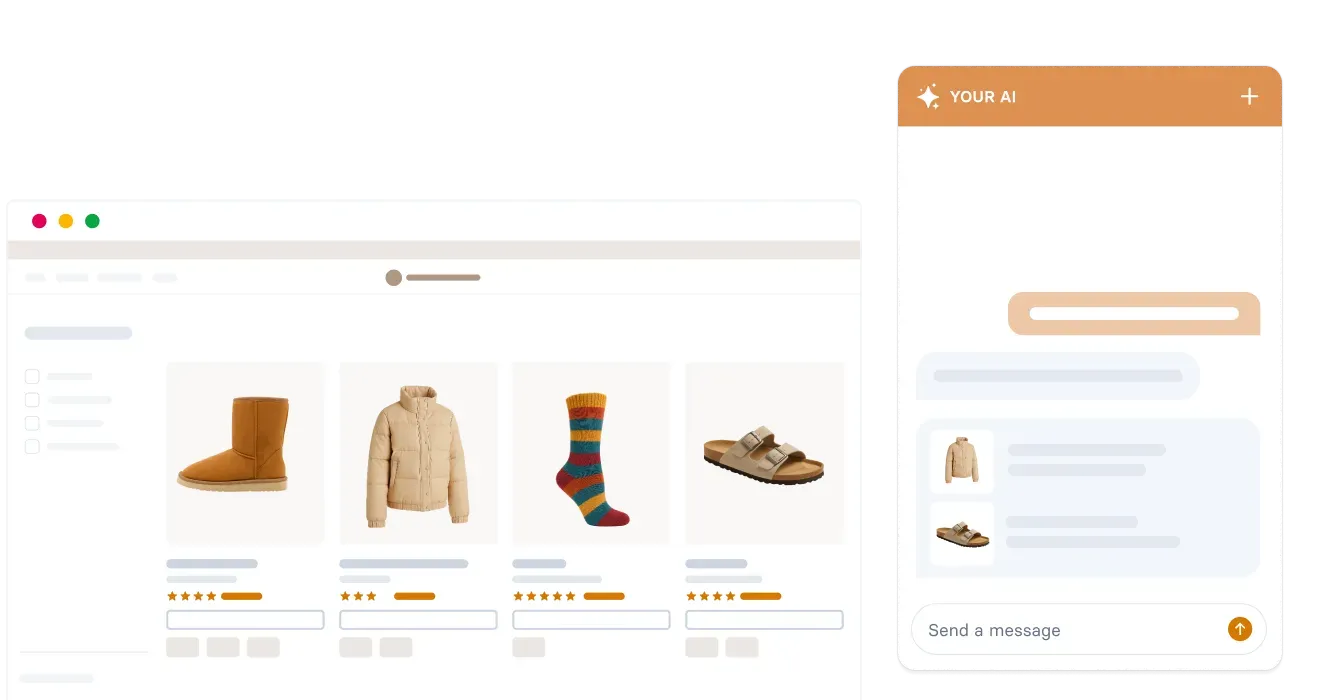
1. Make Your Product Data Machine-Readable
AI shopping agents do not see hero banners. They parse structured data. If your product pages bury key details in marketing copy without proper markup, agents will skip your listings entirely.
Start with your top 10 SKUs and ensure each includes:
- Schema.org Product markup in JSON-LD format with GTIN, MPN, SKU, brand, and model
- Offer details with price, currency, availability, and valid price dates
- Shipping and returns signals covering delivery estimates, handling time, and return window
A single mismatch between your product page, API, and checkout data can cause an agent to treat your catalog as unreliable. Human shoppers tolerate ambiguity, but autonomous AI agents do not.
2. Adopt an API-First Catalog Strategy
Treat your product catalog API as a primary customer interface, not a backend tech tool for retailers. AI agents need programmatic access to your full inventory with response times under 200 milliseconds so they can compare prices and items across retailers in real time.
Platforms like Shopify, WooCommerce, and Magento already expose product APIs. Ensure responses include every field an agent needs for a purchase decision, from size and dimensions to personalized pricing.
3. Shift from SEO to Answer Engine Optimization
Agentic commerce demands Answer Engine Optimization (AEO), where your product information answers conversational queries directly to drive a purchase decision. According to nShift's 2026 research, 58% of consumers have replaced traditional search with generative AI for product discovery.
Write product descriptions that answer specific questions. Include comparison-ready attributes like materials, dimensions, and use cases in structured formats. Fashion and apparel retailers should tag items by occasion, fit, and style to enable personalized AI discovery.
4. Streamline Checkout for Agent Transactions
Pop-ups, modals, and aggressive CAPTCHAs break agent-driven transactions. Keep stable HTML identifiers and consistent form behavior. Give permission for agents to execute transactions within defined spending limits by supporting agentic checkout capabilities.
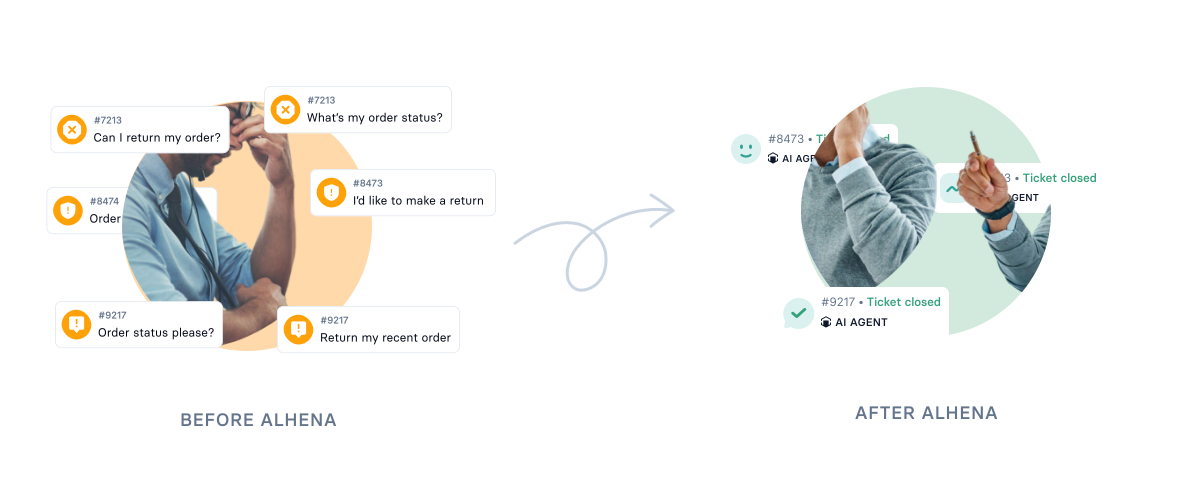
Alhena AI's Shopping Assistant integrates directly with your ecommerce platform to populate carts, apply discounts, and guide shoppers through checkout conversationally. Tatcha saw a 3x conversion rate and 38% AOV uplift using this approach, as documented in Alhena's case studies.
5. Deploy a Conversational Commerce Layer
The new storefront is a conversation. AI shopping agents interact with your online store through dialogue, not clicks. This task of reshaping product discovery is changing the sale process and the entire customer experience for founders and retailers alike.
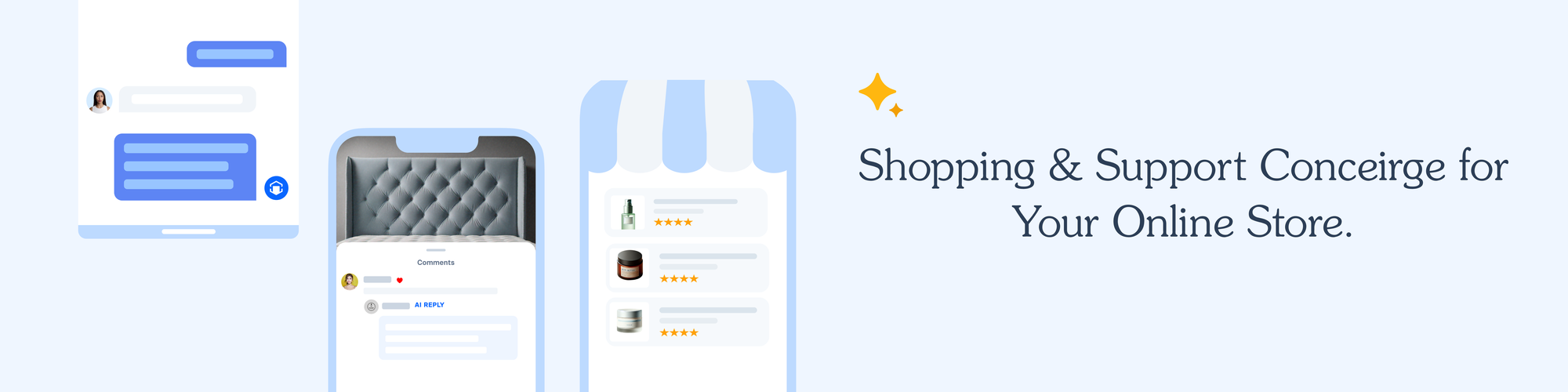
A dedicated AI support concierge ensures both human shoppers and AI agents get accurate, real-time answers grounded in verified catalog data. Alhena's Product Expert Agent delivers hallucination-free, personalized responses across web chat, email, Instagram, WhatsApp, and voice.
Puffy achieved 63% automated resolution with 90% CSAT, while Victoria Beckham saw a 20% AOV increase by meeting shoppers where conversations happen.
Get Started Now
The infrastructure decisions you make in 2026 determine whether AI agents send customers to your store or a competitor. Start with structured data, open your APIs, and layer on AI tech that can sell. Schedule these upgrades now to capture the near future generation of autonomous buyers.
Ready to make your store agent-ready? Book a demo with Alhena AI or start free with 25 conversations.
Frequently Asked Questions
What is agentic commerce and how does it reshape online shopping?
Agentic commerce is a model where AI shopping agents autonomously discover, compare prices, and buy products on behalf of consumers. Unlike traditional online shopping where people browse pages and click through checkout, agentic commerce delegates the entire task to an AI that interprets intent and executes transactions. McKinsey estimates this could mediate $3 to $5 trillion in global commerce by 2030.
How do AI shopping agents decide which items to recommend?
AI shopping agents parse structured data including Schema.org markup, product attributes (GTIN, price, availability), shipping terms, and customer reviews. They prioritize online stores with complete, consistent, and machine-readable product information. Agents skip listings that lack structured data or contain mismatches between product pages and checkout data.
What structured data does my ecommerce store need for AI agents?
At minimum, your product pages need Schema.org Product markup in JSON-LD format with GTIN, MPN, SKU, brand, price, currency, availability, condition, delivery estimates, and return policies. With 58% of consumers already using generative AI for product discovery, structured data readiness directly affects whether autonomous agents can find and recommend your items.
What is Answer Engine Optimization and why does it matter for retailers?
Answer Engine Optimization (AEO) structures your product information to answer conversational AI queries directly, rather than optimizing for traditional keyword-based search rankings. As AI assistants from Perplexity, Google, and ChatGPT evolve to replace search engines for shopping, AEO ensures your products surface when shoppers ask questions like 'What is the best moisturizer for dry skin under $50?'
How does Alhena AI help ecommerce stores prepare for agentic commerce?
Alhena AI deploys a Product Expert Agent and Order Management Agent that integrate directly with Shopify, WooCommerce, Magento, and other platforms. The Shopping Assistant populates carts, applies discounts, and delivers personalized recommendations through conversational checkout. Tatcha saw a 3x conversion rate and 38% AOV uplift. Alhena deploys in under 48 hours with no dev resources required.
Can AI shopping agents complete a purchase on behalf of customers?
Yes. AI agents can now buy products autonomously within defined spending limits. Agentic checkout tech like Alhena AI's Shopping Assistant populates carts, pre-fills payment details, and guides verified shoppers through checkout within a conversational interface. OpenAI's ChatGPT and Google are actively building commerce execution capabilities in this near future generation of tools.
How long does it take to make an online store AI-agent ready?
The timeline depends on your starting point. Adding Schema.org structured data to your top SKUs can take days. Deploying an AI conversational commerce layer like Alhena AI takes under 48 hours. Schedule an audit of your top 10 products for machine-readable data completeness as a first task, then expand from there as the trend accelerates.