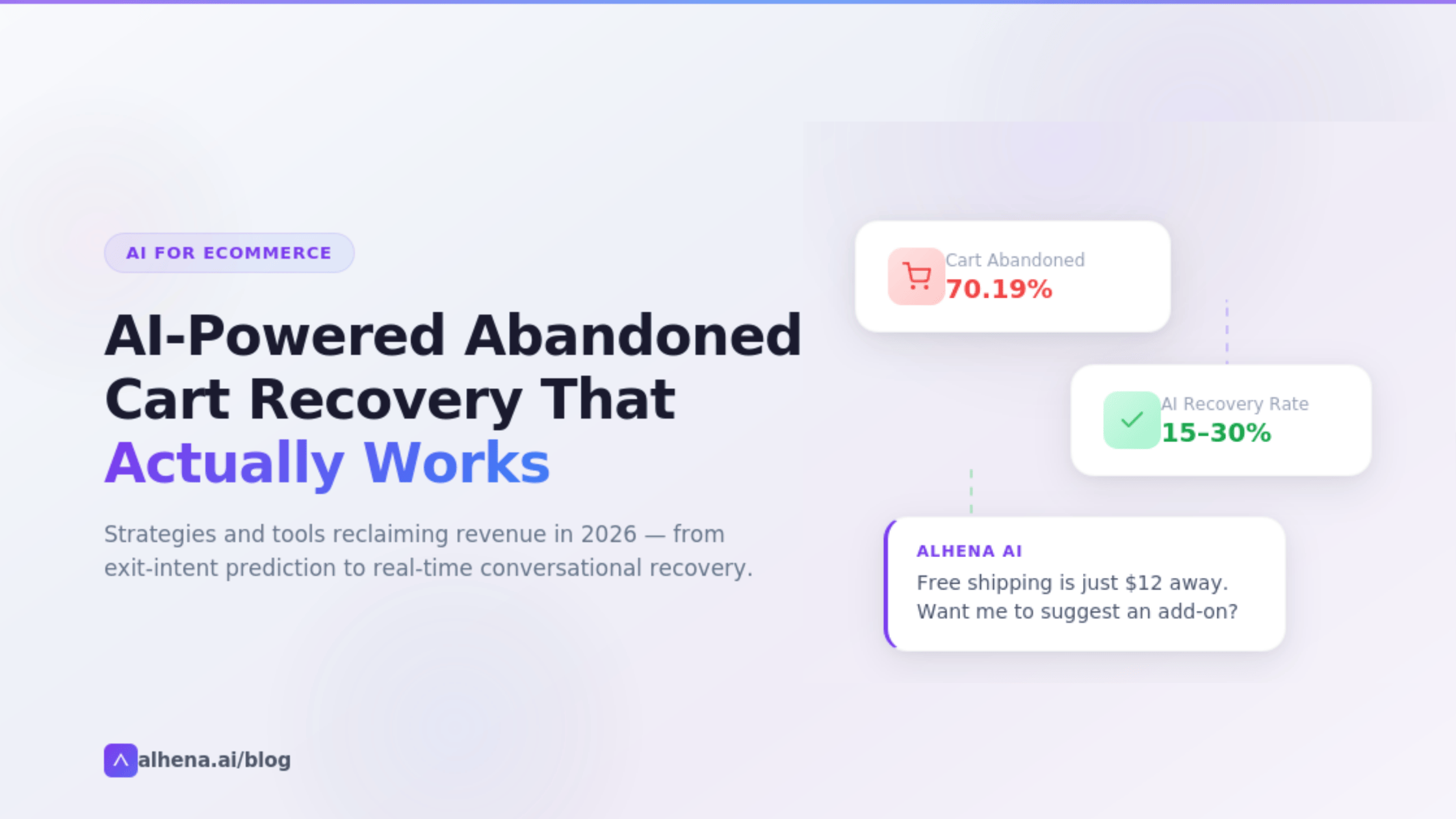
Cart abandonment costs ecommerce brands an estimated $4 trillion per year, according to the Baymard Institute. With the average shopping cart abandonment rate sitting at 70.19% across industries, nearly seven out of ten online shoppers leave without completing a purchase, and most of them never return. For any ecommerce business, that is a staggering amount of lost sale revenue. The good news: AI-powered abandoned cart recovery strategies in 2026 go far beyond the traditional follow-up email or generic discount code.
At Alhena AI, we help brands move past outdated recovery emails and into real-time conversational intervention, smart retargeting, and AI-driven automation that is actually reclaiming revenue right now. Whether you run a Shopify store or a custom-built ecommerce site, this guide breaks down the approaches that work.
Why Shoppers Abandon Carts in the First Place
Before you can recover an abandoned cart, you need to understand why cart abandonment happens. Baymard Institute's research identifies the top reasons customers leave items in their shopping cart without hitting the buy button:
Unexpected costs (shipping costs, taxes, fees) - 47% of abandoners cite this as their primary concern. When a visitor reaches the checkout page and sees a total higher than expected, they bail. Offering free shipping above a clear threshold is one of the most effective ways to address this friction and reduce cart abandonment on your ecommerce site. Even a simple message like "Add $15 more for free shipping" can create enough urgency to save the sale.
Forced account creation - 26% of customers leave because they are required to sign up before they can buy. Guest checkout removes this barrier entirely and keeps the purchase path short.
Complex checkout process - 22% drop off because checkout has too many steps. A streamlined flow that minimizes form fields, auto-fills billing information, and presents multiple payment options (credit card, PayPal, buy-now-pay-later) makes a measurable difference. Every unnecessary step you remove from checkout is one less reason for a shopper to abandon their shopping cart.
Lack of preferred payment method - 13% leave when they do not see the payment option they want. Displaying accepted credit card logos and alternative payment methods early in the checkout process reassures visitors and prevents drop-off.
Security concerns - 25% worry about entering credit card details on a site they do not fully trust. Trust badges, SSL indicators, and a transparent return policy address this concern directly. Making your return policy visible at checkout, not buried in a footer, reminds customers that buying is low risk.
Each of these friction points represents an opportunity for AI to intervene in real time rather than chase shoppers after they leave. At Alhena AI, our platform is built to address each customer need at the exact moment it arises, before the shopping cart is ever abandoned. Instead of relying on a reminder or an abandoned cart email after the fact, our AI engages during the session with a personalized call to action, removes friction on the spot, and turns hesitant visitors into buyers. That is the difference between recovery and prevention.
AI-Powered Exit-Intent Detection
Traditional exit-intent popups fire when a cursor moves toward the browser’s close button. AI exit intent is fundamentally different. Machine learning models analyze dozens of behavioral signals, mouse velocity, scroll depth, tab switching, and checkout hesitation to predict abandonment two to four seconds before it happens, according to Shopware’s 2025 analysis.
This extra lead time matters. Instead of a generic “Wait!” popup, AI can serve a contextual message that speaks to the specific reason someone is about to leave. A customer who stalls on the shipping cost page gets a free shipping threshold nudge. A visitor who has been comparing two items gets a side-by-side recommendation.
The result: AI-driven exit intent outperforms rule-based systems by two to three times. These personalized interventions create a sense of urgency or eliminate a specific barrier at the exact moment the buyer is about to leave. Pairing a strong call to action with a relevant offer, such as a limited-time coupon code, turns hesitation into engagement.
Real-Time Conversational Recovery
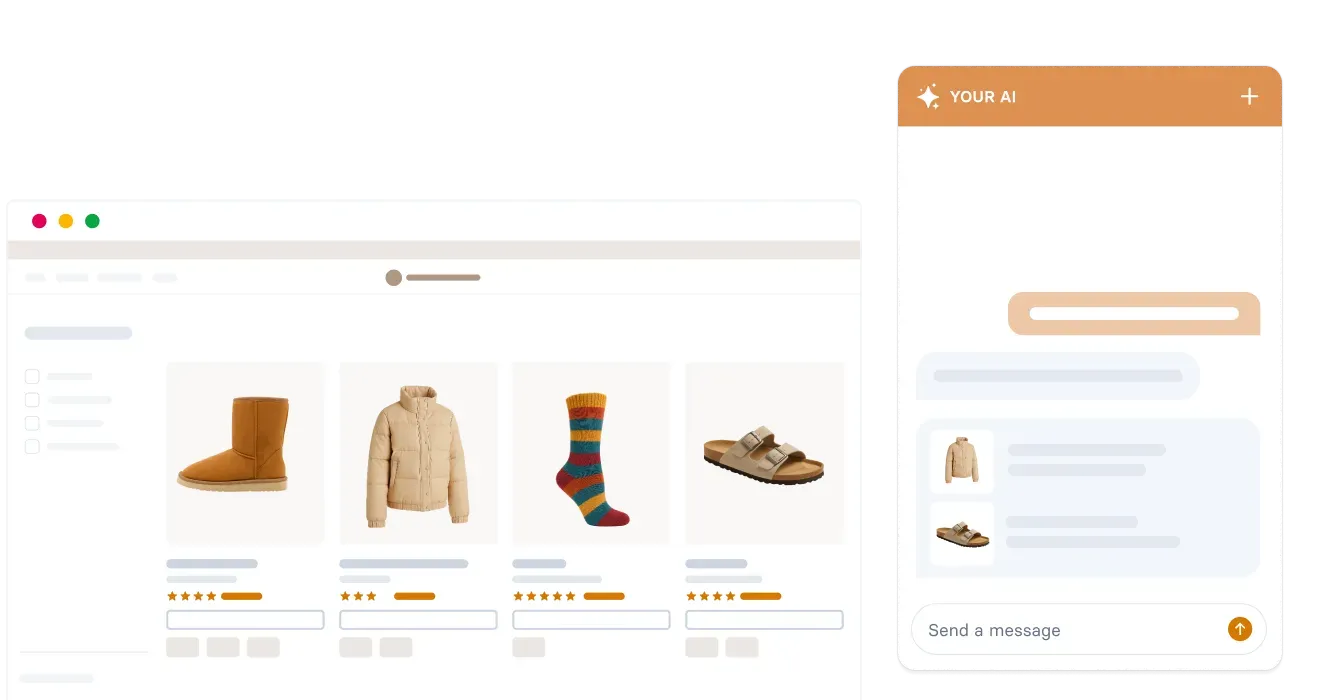
The biggest shift in 2026 is the move from post-abandonment emails to real-time conversational recovery. AI assistants can engage a hesitant customer during checkout, answer questions about shipping or return policy details instantly, and remove friction before the shopping cart is ever abandoned. This kind of automation addresses the root cause of cart abandonment rather than trying to recover the sale after the fact.
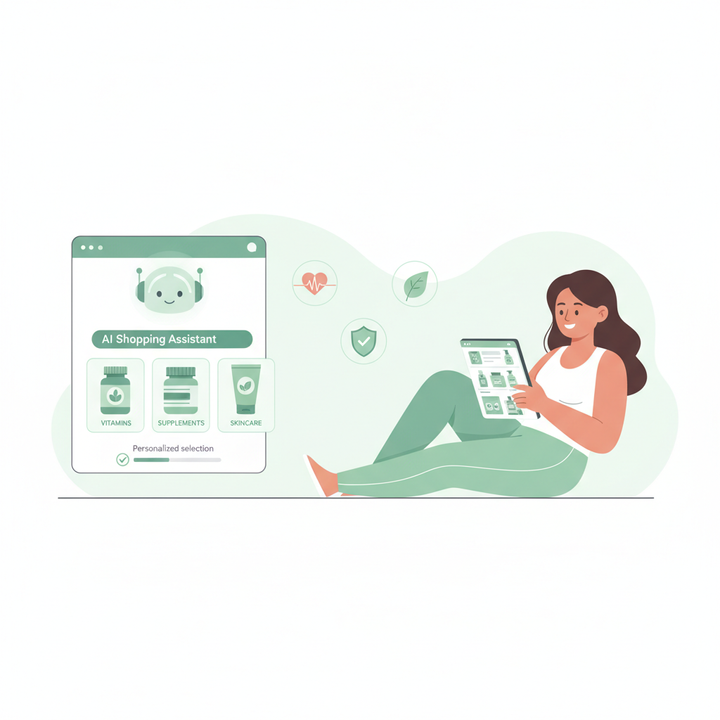
Alhena AI’s Shopping Assistant takes this further with agentic checkout, the AI can populate carts, apply discount codes, and pre-fill fields directly inside the conversation. When a customer asks “Does this come with free returns?”, Alhena pulls the answer from verified product data (eliminating hallucination risk) and keeps them moving toward purchase.
Brands using this approach report significant results. Tatcha saw a 3x conversion rate and a 38% average order value uplift with Alhena’s AI, while Puffy achieved 90% customer satisfaction with 63% of inquiries resolved through automation. These numbers show what happens when you address abandoners’ questions in real time instead of relying solely on a post-abandonment message to recover an abandoned cart.
Multi-Channel Follow-Up With AI Personalization
When real-time intervention does not close the sale, AI-orchestrated follow-up across multiple channels fills the gap. The 2026 abandoned cart playbook looks like this:
- 15 minutes post-abandonment: An AI-triggered message via the shopper's preferred channel (email, SMS, or WhatsApp) with the exact items left behind and a personalized reason to return.
- 24 hours: A second touchpoint with social proof, reviews, ratings, or low-stock alerts generated from real-time inventory data.
- 48-72 hours: A margin-aware incentive. Instead of blanket 10% discount codes, AI calculates the minimum discount needed based on the shopper's price sensitivity and the product's margin.
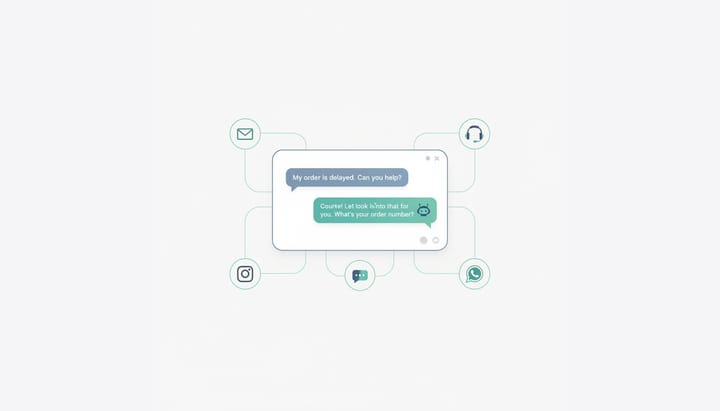
Alhena AI supports this omnichannel approach natively across web chat, email, Instagram DMs, WhatsApp, and voice, all from a single platform. The AI remembers the shopper's context across channels, so a customer who started on web chat and returns via WhatsApp picks up where they left off.
Smart Segmentation: Not Every Cart Is Worth Chasing
One insight reshaping abandoned cart strategy in 2026: roughly 43% of abandoned shopping carts represent digital window shopping, according to Digital Applied’s analysis. Chasing every abandoned cart with the same urgency wastes budget and trains online shoppers to expect a discount whenever they leave.
AI segmentation models now score each abandoned cart on purchase intent, factoring in session depth, return-visitor status, cart value, and product category. High-intent abandoned carts get aggressive, personalized recovery with a strong call to action: a targeted discount or a reminder message highlighting urgency. Low-intent carts get softer, brand-building touchpoints that address awareness without giving away margin. This approach helps cut wasteful spending while recovering 30-40% of high-value shopping carts.
Measuring What Matters: Recovery KPIs for 2026
To know if your abandoned cart recovery strategy is working, track these metrics:
- Cart recovery rate: Top-performing stores exceed 7% (per Omnisend benchmarks), with AI-assisted programs reaching 15-30%.
- Revenue attributed to recovery: Alhena AI's built-in revenue attribution analytics track exactly how much recovered revenue ties back to AI interactions.
- Cost per recovery: Recovering a $75 cart costs roughly $0.50 in automation, a 150x return.
- Discount depth: AI should reduce average discount depth over time by targeting incentives only where needed.
Getting Started With AI Cart Recovery
You do not need a six-month implementation timeline. Alhena AI deploys in under 48 hours with no developer resources required. It integrates directly with Shopify, WooCommerce, Magento, and Salesforce Commerce Cloud, syncing your product catalog, inventory, and order data so the AI can answer shopper questions with verified information from day one.
Curious what recovered revenue could look like for your store? Use the Alhena AI ROI Calculator to estimate your potential uplift.
Ready to turn abandoned carts into completed orders? Book a demo with Alhena AI or start for free with 25 conversations.
Frequently Asked Questions
What is AI abandoned cart recovery?
AI abandoned cart recovery uses machine learning and conversational automation to detect when a shopper is about to leave checkout, intervene in real time with personalized assistance, and follow up across channels like email, SMS, and WhatsApp. Unlike a traditional abandoned cart email or generic follow-up email, AI can address concerns and remove friction before the shopping cart is ever abandoned, answering questions about shipping costs, return policy, or payment options right in the moment.
How does AI predict cart abandonment before it happens?
AI models analyze behavioral signals such as mouse velocity, scroll depth, checkout hesitation time, and tab-switching patterns. These signals let the system predict abandonment two to four seconds before the shopper leaves, giving it enough time to serve a contextual intervention like answering a shipping question or surfacing a relevant offer.
What is a good abandoned cart recovery rate in 2026?
The average ecommerce store recovers about 2% of abandoned carts through basic email flows. Top-performing stores using AI-powered recovery achieve 7% or higher, and programs with real-time conversational AI report recovery rates of 15-30% on high-intent carts.
How does Alhena AI help recover abandoned carts?
Alhena AI's Shopping Assistant engages shoppers during checkout in real time, answers product and policy questions using verified data, and offers agentic checkout that populates carts and pre-fills checkout fields. It operates across web chat, email, WhatsApp, Instagram DMs, and voice, maintaining context across every channel.
Does AI cart recovery work with Shopify and WooCommerce?
Yes. Alhena AI integrates directly with Shopify, WooCommerce, Magento, and Salesforce Commerce Cloud. It syncs product catalogs, inventory, and order data so the AI can give accurate, real-time answers to shopper questions during the cart recovery process.
How quickly can I set up AI abandoned cart recovery?
Alhena AI deploys in under 48 hours with no developer resources required. The platform connects to your ecommerce store and helpdesk, imports your product data, and begins engaging shoppers immediately. You can start for free with 25 conversations to test the impact.
Is AI cart recovery better than traditional email recovery?
AI-powered cart recovery outperforms email-only approaches by 20-25% in conversion rate, according to industry benchmarks. The key advantage is timing — real-time intervention addresses friction during checkout rather than hours later. AI also personalizes incentives based on margin data, reducing unnecessary discounting.