How to Run a Low-Risk AI Pilot for Your Online Store
Most AI pilots fail because of vague goals and bloated scope. This 5-step guide shows ecommerce leaders how to run a focused, low-risk AI pilot that produces a clear decision in 4 to 8 weeks.
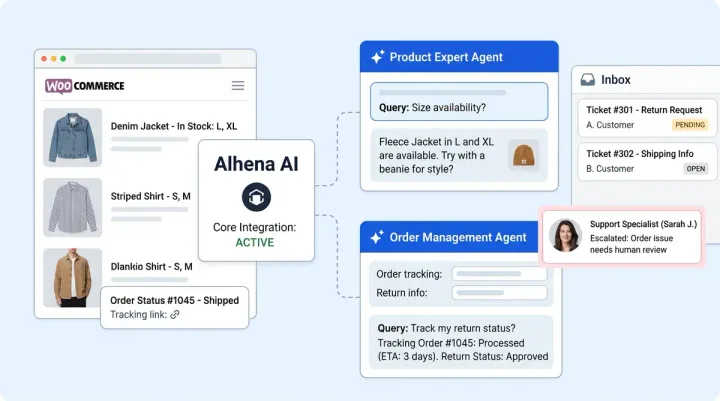
Most AI chatbots degrade as products and policies change. Alhena AI self-improves from every interaction using auto-generated FAQs, human feedback loops, Guideline Studio, Conversation Debugger, and Smart Flagging.
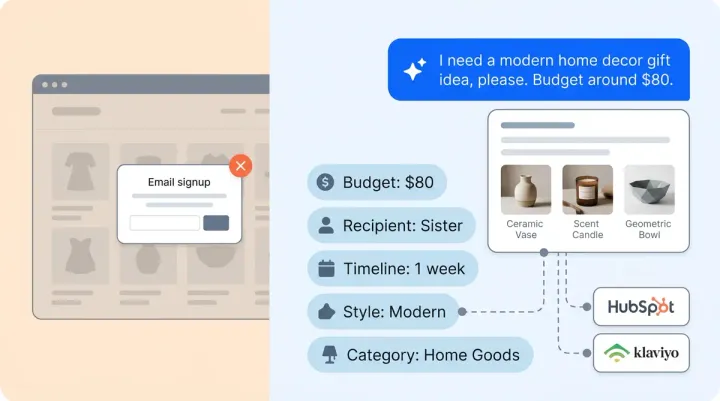
Most ecommerce brands rely on interruptive pop-ups that train shoppers to close everything. AI-driven contextual nudges read behavioral signals in real time and convert hesitation into action, lifting add-to-cart rates 15-35% without annoying shoppers.
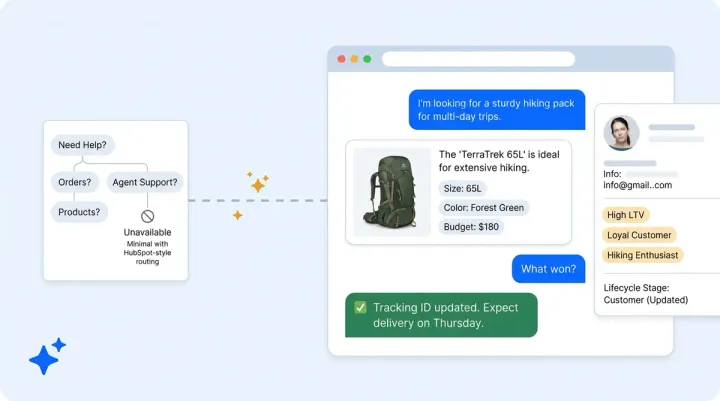
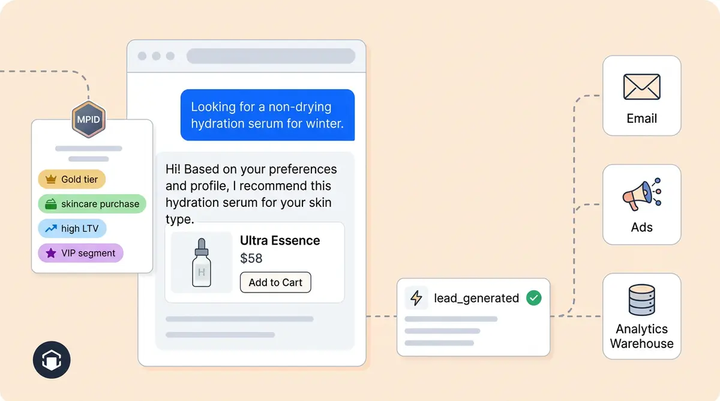
Most ecommerce chatbots respond with plain text product names and bare links, forcing shoppers to leave the conversation. Rich product cards display images, pricing, ratings, and add-to-cart buttons inside the chat, turning conversations into visual storefronts that convert 3x higher.
Static product quiz builders ask fixed questions, require manual SKU mapping, and break when catalogs change. AI-powered quizzes adapt every question dynamically, pull from live catalog data, and match shoppers to the right product in as few as three questions.
Compare ChatGPT, Perplexity, Gemini, and Google AI Mode across feed requirements, fees, checkout flows, analytics, and audience profiles. Includes step-by-step listing instructions, placement tracking tools, and a prioritization framework for ecommerce brands.