The Checkout Conversion Gap No One Is Talking About
AI-assisted shoppers convert from cart to checkout at 49.3%. Unassisted shoppers? Just 26.3%. That's nearly a 2x gap at the single most valuable moment in your funnel.
This isn't about AI as a discovery tool or a chatbot that answers "where's my order." This is about what happens when a shopper has items in their cart, intent in their mind, and one or two unresolved questions standing between them and the buy button. For e-commerce marketing teams, this is the most important metric on your website. AI checkout optimization closes that gap by resolving friction in real time, right when it matters most.
Baymard Institute pegs the average cart abandonment rate at 70.22% across 50 studies, with $260 billion in recoverable revenue sitting in US and EU markets alone. The checkout page is where purchase intent peaks and where most brands lose the sale. The checkout process breaks down at the payment step more often than anywhere else. Below, we break down exactly what creates this AI cart-to-checkout conversion advantage and how to capture it for your store.
What Happens Inside the Funnel to Create This Gap
The 49.3% vs 26.3% split isn't random. It reflects a fundamental difference in how shoppers experience the last mile of a purchase.
Unassisted shoppers hit a wall of unanswered questions at the shopping cart and cart checkout stages. "Will this fit?" "Can I return it?" "Does this work with my existing setup?" "When will it actually arrive?" These aren't idle curiosities. They're purchase blockers. Baymard's research shows that 48% of shoppers abandon over unexpected costs, 21% over unclear delivery timelines, and 19% over trust concerns. Every one of those is an information problem, not a design problem.
AI-assisted shoppers get answers instantly. A conversational AI that sits inside the checkout flow can pull real-time shipping estimates, confirm return policies, recommend compatible products, and validate sizing, all without the shopper leaving the page. The result: fewer abandoned carts and a conversion rate that nearly doubles.
The data backs this up across the industry. Shoppers who engage with AI complete purchases 47% faster. AI-driven proactive chats recover 35% of abandoned carts. And 93% of customer questions get resolved without a human agent ever touching them.
Why Traditional CRO Hits a Ceiling
Ecommerce marketers and CRO teams have spent a decade testing button colors, reducing form fields, and streamlining page layouts. The automation of checkout design changes brought incremental gains. These tactics delivered real gains early on, but the returns are diminishing fast.
The average checkout still contains 23.48 form elements and 14.88 fields. Optimized implementations trim that to 7 fields. That's a meaningful improvement, but it only addresses one dimension of the problem: mechanical friction.
The bigger issue is psychological and informational friction. A shopper staring at a $200 cart doesn't abandon because the "Place Order" button is the wrong shade of green. They abandon because they're not sure the product will work, the shipping cost surprised them, or they want to compare one more option before committing. No amount of checkout design tweaks can answer a question the shopper hasn't asked yet.
AI cart-to-checkout conversion solves this by turning a static checkout into a dynamic conversation. Instead of hoping the shopper finds the FAQ page or calls support (they won't), AI meets them at the point of hesitation with the exact information they need.
How AI Resolves the Objections That Actually Kill Conversions
The objections that cause abandonment vary by category, but they follow predictable patterns. Here's how AI checkout optimization handles the most common ones:
- Shipping and delivery: AI pulls live carrier data to show exact delivery dates, confirms free shipping thresholds, and suggests add-ons to qualify for free delivery. This directly addresses the 21% who abandon over delivery concerns.
- Sizing and fit: For fashion and apparel brands, AI references size charts, past purchase history, and product dimensions to give personalized recommendations. A shopper who's confident in their size is far less likely to bounce.
- Returns and refunds: AI confirms return windows, explains the process, and reassures shoppers that returns are hassle-free. Trust concerns drop when policy information is delivered proactively.
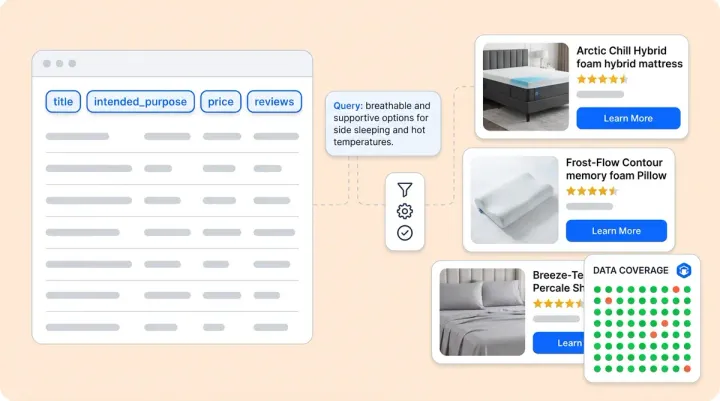
- Compatibility and use cases: For electronics, home furnishing, and beauty brands, AI answers "will this work with..." questions using verified product data. No guessing, no hallucinations. These AI solutions work across every page on your website where shoppers make buying decisions.
The key difference from a static FAQ: AI delivers these answers contextually, based on what's in the cart and what the shopper is doing right now. A shopper hovering on the checkout page for 30 seconds with a $150 skincare set gets a different intervention than someone with a $40 single item. That contextual awareness, recognizing patterns in shopper behavior, is what drives cart conversion and the 10x revenue contribution from AI-engaged shoppers.
Personalized Nudges Without Being Intrusive
One of the biggest concerns ecommerce operators have about AI at checkout is the "annoying popup" factor. That concern is valid if you're deploying dumb triggers. It's irrelevant with behavioral AI.
Effective AI checkout optimization uses behavioral signals to determine when and how to engage:
- Hesitation detection: If a shopper pauses on the checkout page, AI can surface a gentle prompt like "Have a question about shipping?" rather than a generic discount popup.
- Bundle suggestions: Based on cart contents and purchase patterns, AI recommends complementary products that increase average order value. Brands using this approach have seen AOV lifts of 20% to 38%.
- Social proof at the right moment: When a shopper is comparing options, AI can surface review highlights or popularity signals ("427 customers bought this in the last week") to reduce decision paralysis.
- Urgency signals: Low stock alerts and limited-time shipping cutoffs work, but only when they're real. AI grounded in actual inventory data delivers urgency that builds trust instead of eroding it.
The goal isn't to interrupt. It's to assist at the moment of maximum uncertainty. Proactive AI strategies achieve engagement rates up to 6%, compared to just 1% for passive deployments. That 5.5x gap in engagement translates directly into higher AI cart-to-checkout conversion rates.
How to Measure Incremental Lift from AI Checkout Interventions
You can't improve what you can't measure, and measuring AI's checkout impact requires more than looking at overall conversion rates before and after deployment.
The gold standard is a randomized controlled trial. Split your traffic into a test group (exposed to AI checkout assistance) and a control group (standard checkout experience). The difference in cart-to-checkout rates between the two groups reveals the true incremental lift, filtering out self-selection bias.
Key metrics to track in your AI checkout optimization program:
- Cart-to-checkout conversion rate: The headline metric. Compare AI-assisted vs. control.
- Checkout completion rate: Of those who start checkout, how many finish? AI should lift this by resolving last-second objections about payment, shipping, and returns.
- Average order value: AI-assisted sessions often produce higher AOV through personalized recommendations. Tatcha saw a 38% AOV uplift with AI engagement.
- Time to purchase: AI-assisted shoppers complete purchases 47% faster, reducing the window for second-guessing.
- Support ticket deflection: Fewer checkout-related support tickets means AI is answering questions before they become problems.
Run the test for at least two full purchase cycles (typically 4 to 6 weeks) before drawing conclusions. Use a 7-day attribution window to capture delayed conversions. Timing matters: run tests during normal traffic periods, not during sales events.
How Alhena AI Powers the AI-Assisted Checkout Experience
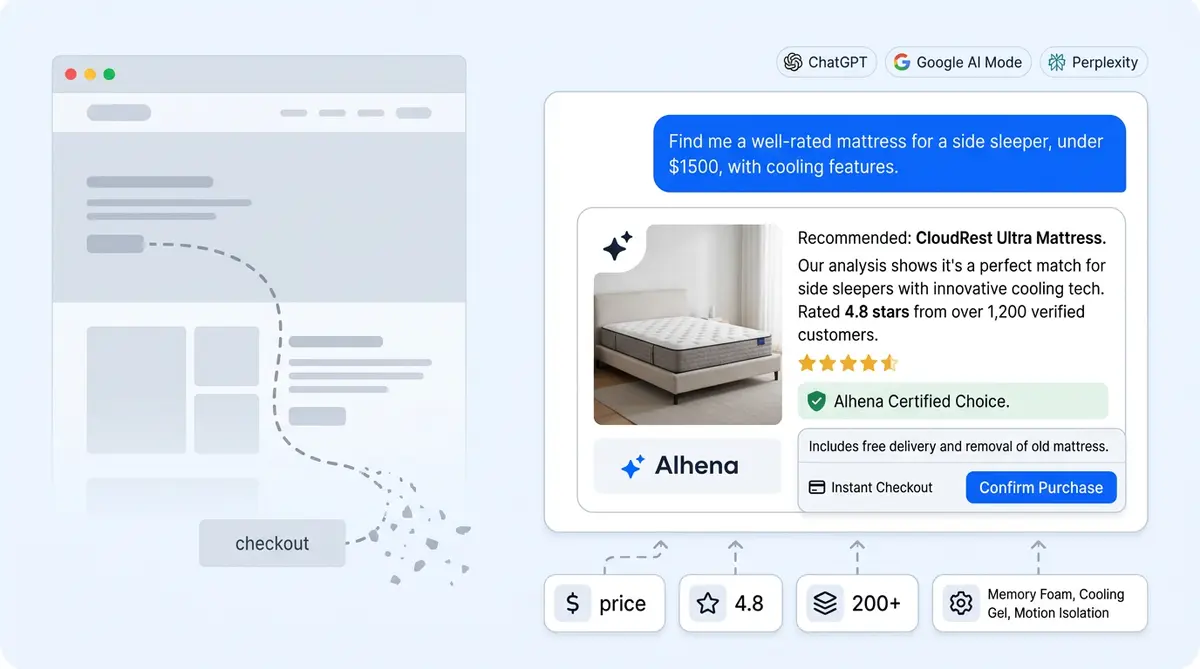
Alhena AI's Shopping Assistant is purpose-built for this exact moment in the ecommerce funnel. Unlike generic chatbots that handle support tickets, Alhena's Product Expert Agent engages shoppers at the cart-to-checkout transition with real-time, hallucination-free answers grounded in your actual product catalog.
Here's what that looks like in practice. A shopper adds a $180 moisturizer set to their cart, pauses on checkout, and gets a contextual prompt from Alhena asking if they have questions about the products. The AI confirms the items are suitable for their skin type, explains the return policy, shows a delivery estimate for their zip code, and suggests a complementary serum that other customers paired with the set. The shopper adds the serum and completes checkout. That's AI checkout optimization in action.
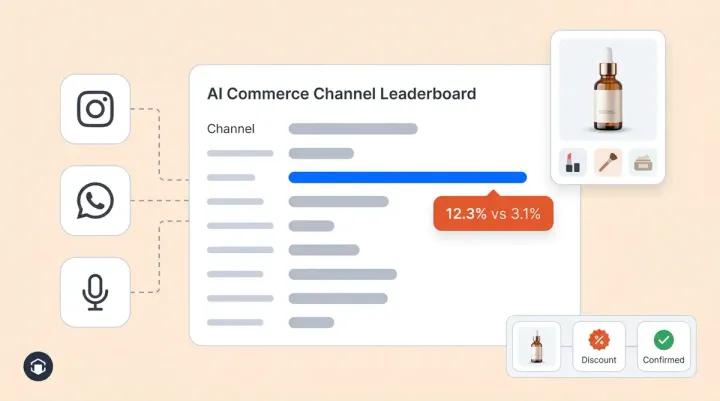
Alhena deploys across web chat, email, Instagram DMs, WhatsApp, and voice, so the checkout conversation can happen wherever your shoppers are. The Support Concierge handles post-purchase questions, while the Product Expert Agent focuses on driving the sale. Built-in revenue attribution analytics let you see exactly how much revenue AI-assisted conversations generate, down to the session level.
Brands on Alhena are already seeing the results. Tatcha achieved a 3x conversion rate with 11.4% of total site revenue attributed to AI-assisted sessions. Victoria Beckham saw a 20% AOV increase. These aren't projections. They're live results from brands running AI at the checkout layer.
The Checkout Page Is Your Highest Leverage Point
Every dollar you spend acquiring traffic, running ads, and building product pages funnels toward one moment: checkout. A shopper with items in their cart is the most valuable visitor on your site. Losing them at this stage is the most expensive failure in ecommerce.
The 49.3% vs 26.3% gap proves that AI cart-to-checkout conversion isn't incremental. It's transformational. Brands still running static checkout experiences, relying on form optimization and button tests alone, are leaking revenue that AI-assisted flows would capture.
The IBM-NRF 2026 study found that 45% of consumers already turn to AI during their buying journey. Your shoppers expect an intelligent shopping experience. Getting started with AI checkout is simpler than most e-commerce marketers expect. The question isn't whether to deploy AI at checkout. It's how much revenue you're losing by waiting.
Ready to close the checkout gap? Book a demo with Alhena AI to see how AI-assisted checkout works for your store, or start free with 25 conversations and measure the lift yourself. Use the ROI Calculator to estimate your potential revenue recovery before you start.

Frequently Asked Questions
What is AI cart-to-checkout conversion and why does it matter?
AI cart-to-checkout conversion measures how often shoppers with items in their cart complete the purchase when assisted by conversational AI. It matters because this is where the highest purchase intent meets the highest abandonment rates. Alhena AI helps brands close this gap by resolving shipping, sizing, and returns questions in real time at checkout, lifting conversion rates by up to 2x.
How does AI checkout optimization reduce cart abandonment?
AI checkout optimization detects when a shopper hesitates and delivers contextual answers to the specific objections causing friction, such as delivery timelines, return policies, or product compatibility. Alhena AI uses behavioral signals and verified product data to intervene at the right moment, recovering up to 35% of abandoned carts without relying on post-abandonment email sequences.
Can AI at checkout increase average order value, not just conversion rate?
Yes. AI-assisted checkout sessions consistently produce higher AOV through personalized bundle suggestions and complementary product recommendations based on cart contents. Alhena AI customers like Tatcha have reported a 38% AOV uplift, and Victoria Beckham achieved a 20% increase by deploying AI-powered product recommendations during the purchase flow.
How do I measure the true incremental lift from AI checkout assistance?
The most reliable method is a randomized controlled trial: split traffic into a test group exposed to AI and a control group with the standard checkout. Compare cart-to-checkout rates between the two groups over 4 to 6 weeks. Alhena AI includes built-in revenue attribution analytics that track AI-influenced sessions, conversions, and revenue at the individual session level.
Where should I deploy conversational AI in the checkout journey?
The highest-impact placement is on the cart page and checkout page, triggered by behavioral signals like hesitation, scroll depth, or time on page. Alhena AI activates proactively when shoppers show signs of uncertainty, answering product and policy questions before they become abandonment triggers. This proactive approach achieves 6x higher engagement than passive chat widgets.
Is AI checkout optimization only for large ecommerce brands?
No. AI checkout solutions like Alhena AI deploy in under 48 hours with no developer resources required, making them accessible to DTC brands and mid-market retailers. Small Shopify stores have generated thousands in incremental revenue within weeks of deployment. Alhena AI offers 25 free conversations so you can measure the impact before committing.
How does Alhena AI prevent hallucinations when answering checkout questions?
Alhena AI grounds every response in verified product data from your catalog, inventory system, and shipping provider. The Product Expert Agent pulls live information rather than generating guesses, so shoppers get accurate delivery dates, correct sizing guidance, and real return policy details. This data-grounded approach is what separates Alhena AI from generic chatbot tools.
What objection-handling scripts should I prioritize by product category?
Fashion and apparel brands should prioritize sizing and fit guidance. Beauty and skincare brands should focus on ingredient compatibility and routine recommendations. Electronics and home furnishing stores should lead with compatibility and use-case answers. Alhena AI automatically adapts its objection-handling based on your product catalog and the specific items in the shopper's cart.